
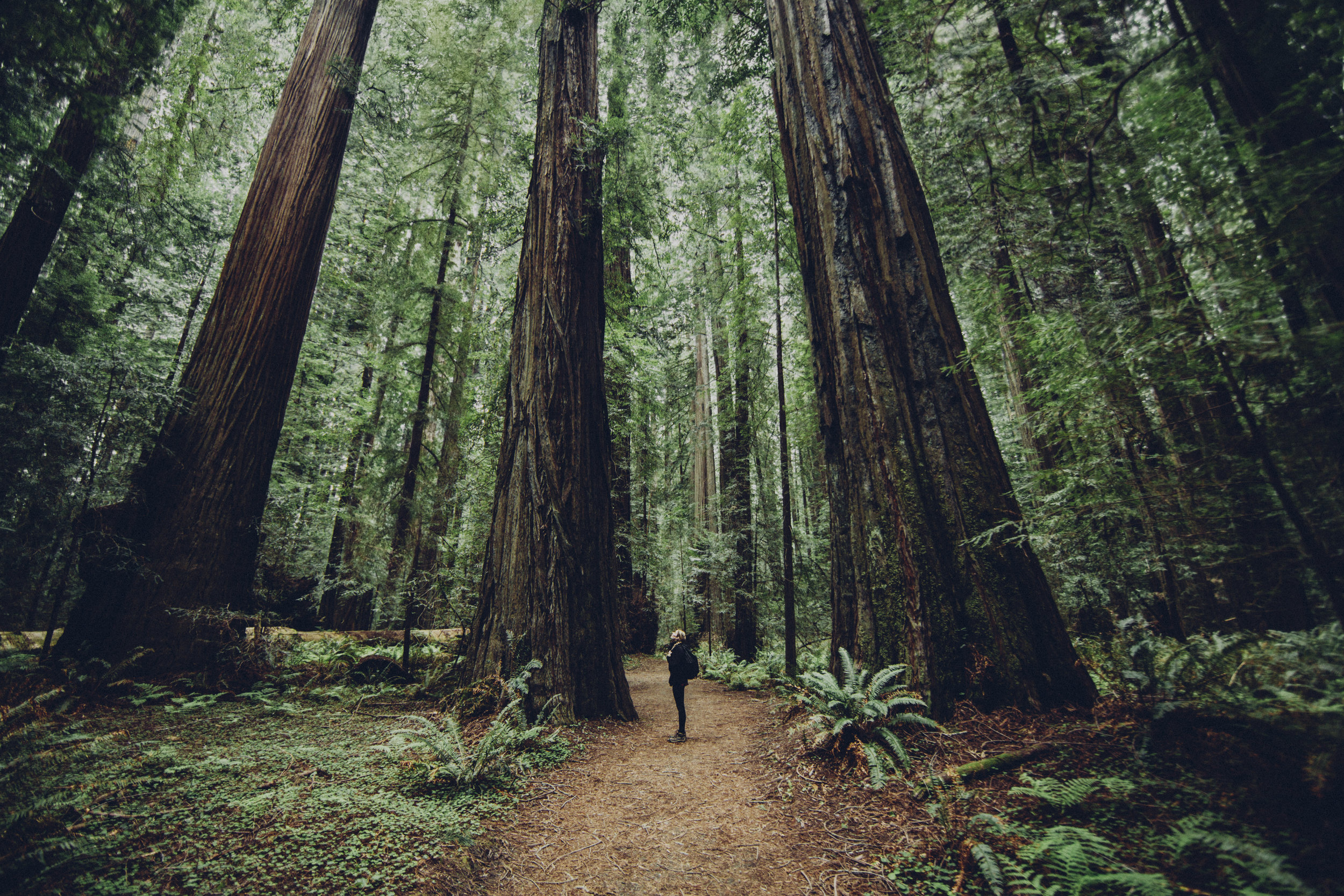
Wellness Without Walls Project
Holistic Strategies
1. Practice Daily Gratitude
Writing down three things you’re thankful for can boost mood and sleep.¹
2. Move Your Body
Even light walking helps ease anxiety and elevate mood.²
3. Connect with Others
Social ties reduce loneliness and support cognitive health.³
4. Limit News & Media Time
Too much media exposure increases stress and worry.⁴
5. Try Breathing or Meditation Apps
Simple practices like deep breathing help lower anxiety.⁵
6. Volunteer or Help a Neighbor
Giving back provides purpose and improves wellbeing.⁶
7. Create a Sleep Routine
Good sleep enhances mood, memory, and emotional balance.⁷
8. Journal or Create Art
Expressing yourself through writing or art can ease distress.⁸
1. Emmons RA, McCullough ME. Gratitude and well-being. J Pers Soc Psychol 2003;84(2):377–389.
2.Callaghan P. Exercise in mental health care. J Psychiatr Ment Health Nurs 2004;11(4):476–483.
3.Cacioppo JT et al. Loneliness and health. Psychosom Med 2002;64(3):407–417.
4.Garfin DR et al. Media exposure and public health stress. Health Psychol 2020;39(5):355–357.
5.Chittaro L, Sioni R. Mobile apps for breathing training. Comput Human Behav 2014;40:56–63.
6.Piliavin JA, Siegl E. Volunteering and health benefits. J Health Soc Behav. 2007;48(4):450–464.
7. Blackwell T et al. Sleep and cognitive function in older women. J Gerontol A. 2006;61(4):405–410.
8.Stuckey HL, Nobel J. Art, healing, and public health. Am J Public Health. 2010;100(2):254–263.
Nutrition & Supplementation
Backed by Science
9. Vitamin D: The Sunshine Nutrient
Low levels are linked to depression and cognitive decline in older adults.⁹ Get 15–30 mins of sunlight or ask your provider about D3 supplements.
10. Magnesium: Calm in a Capsule
Helps regulate mood, improve sleep, and reduce anxiety.¹⁰ Found in spinach, almonds, pumpkin seeds, black beans.
11. Vitamin B6: Mood & Memory
Support to make serotonin and other calming brain chemicals.¹¹ Sources are bananas, chickpeas, poultry, and tuna.
12. Ashwagandha: Herbal Stress Relief
Ancient adaptogen shown to lower stress and cortisol levels.¹² Available as tea, capsules, or powder.
13. Leafy Greens & Cruciferous Veggies
High antioxidants and folate to help protect brain health.¹³ Try kale, broccoli, cabbage or arugula daily.
14. Omega-3s: Healthy Fats for Brain
Reduce inflammation, support mood, and may lower dementia risk.¹⁴ Eat fatty fish, flaxseed, walnuts or consider supplements.
15. Cut Back on Sugar & Processed Foods
Diets high in added sugar are linked to depression and fatigue.¹⁵ Choose whole, nutrient-dense foods and stay hydrated.
LEARN MORE: www.pubmed.org
9 Anglin RE et al. Vitamin D deficiency and depression in adults. Br J Psychiatry 2013;202(2):100–107.
10. Boyle NB et al. Magnesium supplementation and anxiety: a systematic review Nutrients. 2017;9(5):429.
11. Kennedy DO. B vitamins and the brain. Nutrients. 2016;8(2):68.
12. Lopresti AL et al. Ashwagandha and stress reduction. J Clin Psychiatry 2019;80(6):19m12802.
13. Morris MC et al. Dietary folate and Alzheimer’s risk. JAMA 2005;293(3) :330–336.
14. Grosso G et al. Omega-3s and depression. PLoS One. 2014;9(5):e96905.
15. Jacka FN et al. Western diet and depression in women. Am J Psychiatry 2010;167(3):305–311.